
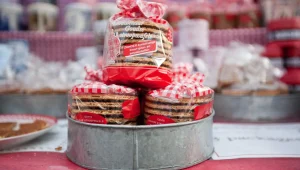
Amsterdam’s food scene is much more varied than stroopwafels and fries. Traditional Dutch snacks sit alongside Indonesian, Surinamese and international cooking, while street markets, neighbourhood cafés and casual eateries make it easy to build food experiences into a sightseeing itinerary.
For a first visit, you do not need to spend every meal in an expensive restaurant. Some of Amsterdam’s most characteristic food experiences come from markets, bakeries, snack bars and neighbourhood cafés.
Amsterdam food quick facts
- Country: Netherlands
- Food style: Dutch, Indonesian, Surinamese and international
- Best-known foods: Stroopwafels, bitterballen, herring, fries, pancakes and Dutch cheese
- Good food areas: De Pijp, Jordaan, Oud-West and Amsterdam Oost
- Popular food market: Albert Cuyp Market
- Good for: Street food, casual dining, cafés, markets and international cuisine
- Suggested stay: 3–4 days
What food is Amsterdam known for?
Amsterdam’s traditional food is generally straightforward and comforting rather than elaborate. Visitors will encounter fried snacks, pancakes, fish, cheese, baked goods and dishes designed to accompany drinks.
But the city’s food culture extends far beyond traditional Dutch cooking.
Amsterdam also has strong Indonesian and Surinamese culinary traditions. Indonesian food has longstanding historical links with the Netherlands, while Amsterdam has a particularly diverse Surinamese food scene. The city’s official tourism organisation highlights both as important parts of Amsterdam’s contemporary food culture.
Dutch foods to try in Amsterdam
Stroopwafel
A stroopwafel consists of two thin waffle layers joined with a sweet syrup filling.
Packaged versions are easy to find, but a freshly prepared warm stroopwafel from a bakery or market is a much better introduction.
Amsterdam’s official visitor guide specifically recommends trying them fresh at markets and bakeries.
Bitterballen
Bitterballen are small, crispy fried snacks traditionally filled with a savoury ragout and commonly served with mustard.
They are strongly associated with Amsterdam’s café and bar culture and are ideal for sharing rather than treating as a full meal. Vegetarian versions are increasingly available too.
Haring
Haring — Dutch herring — is one of the more adventurous local foods.
A visitor-friendly way to try it is as a broodje haring, served in bread with onions and pickles.
The traditional new-herring season begins around June, making early summer particularly interesting for travellers who want to try the seasonal speciality.
Kibbeling
If raw herring does not appeal, try kibbeling.
These battered and fried pieces of white fish are usually served hot with sauce and lemon. Markets are among the easiest places to find them.
Dutch fries
You will see fries listed as friet, frites or patat.
They are commonly served in a paper cone with a surprisingly large choice of sauces.
One well-known combination is patat oorlog, traditionally involving mayonnaise, peanut satay sauce and onions.
Poffertjes and pannenkoeken
Poffertjes are small, soft Dutch pancakes, while pannenkoeken are much larger and thinner than typical American-style pancakes.
Both can work as a snack, dessert or casual meal depending on the toppings.
Dutch cheese
Gouda and Edam may be the internationally recognised names, but cheese shops and markets provide opportunities to try different ages and varieties.
Instead of buying from the first souvenir-oriented shop you encounter, consider tasting cheese as part of a local market visit.
Do not overlook Indonesian food
Eating Indonesian food can be one of the most interesting experiences in Amsterdam.
A well-known option is rijsttafel, or “rice table”, where numerous small dishes are served together. Although influenced by Indonesian cuisine, the elaborate rijsttafel format developed during the Dutch colonial period.
Today Amsterdam has everything from traditional Indonesian restaurants to casual Indonesian street food and contemporary interpretations.
For travellers interested in food history, it offers a deeper insight into the complicated historical relationship between the Netherlands and Indonesia.
Try Surinamese food in Amsterdam
Surinamese cuisine is another part of Amsterdam’s food identity that visitors can easily overlook.
Popular dishes include:
- Roti with curry, potatoes and vegetables or meat
- Bara, a savoury fried snack
- Saoto soup
- Pom
- Nasi and bami
- Surinamese sandwiches filled with meat, fish or vegetables
Surinamese food combines influences from South Asian, Javanese, African, Chinese, Indigenous and European culinary traditions, reflecting Suriname’s complex history and population. Amsterdam has a large range of casual Surinamese eateries, many of which remain relatively affordable compared with formal restaurants.
For TripAdept, I would definitely include this section because it differentiates the article from hundreds of generic Amsterdam guides that simply list stroopwafels, fries and pancakes.
Best food markets in Amsterdam
Albert Cuyp Market
Located in De Pijp, Albert Cuyp Market is one of the easiest markets to incorporate into a first-time Amsterdam itinerary.
Its stalls sell fresh produce and everyday goods alongside Dutch snacks such as herring and freshly prepared stroopwafels. The market currently operates Monday to Saturday, although travellers should verify opening information before visiting.
The surrounding De Pijp neighbourhood is also filled with cafés, restaurants and international food options.
Noordermarkt
Near the Jordaan, Noordermarkt is particularly worthwhile for travellers interested in fresh produce and artisan food.
The Saturday market includes organic vegetables, fruit, bread, cheese, fish, meat, herbs and other local products.
It works well as part of a slower morning exploring the Jordaan rather than as a separate sightseeing trip.
Other markets
Travellers with additional time can also investigate Dappermarkt and Ten Katemarkt, both of which are useful for inexpensive snacks, produce and a more local atmosphere.
Amsterdam’s tourism authority specifically highlights markets as good places for Dutch snacks and fresh food.
Best Amsterdam neighbourhoods for food
De Pijp
Probably the easiest neighbourhood for a first-time food-focused visit.
You can combine Albert Cuyp Market with cafés, restaurants and international food without travelling between different parts of the city.
Jordaan
Better for atmospheric cafés, bakeries and combining food with canal-side wandering.
It works particularly well for breakfast, lunch or an afternoon café stop.
Oud-West
A good choice if you want modern casual dining and a more neighbourhood-oriented atmosphere away from the most heavily visited central streets.
Amsterdam Oost
Worth considering if you want to explore Amsterdam’s multicultural food scene beyond the historic centre.
How to eat in Amsterdam without overspending
Amsterdam restaurant costs can accumulate quickly, particularly around heavily visited central areas.
A sensible strategy is to mix different types of meals.
For example:
Breakfast: bakery or café
Lunch: market stall, sandwich or casual takeaway
Snack: stroopwafel, herring, kibbeling or fries
Dinner: one proper sit-down restaurant meal
Markets and casual Surinamese, Indonesian and international eateries can also provide better value than eating every meal around Dam Square or major visitor attractions.
Vegetarian and vegan food
Vegetarian travellers should have relatively little difficulty in Amsterdam.
Plant-based options are widely available in cafés and restaurants, and vegetarian versions of dishes such as bitterballen, Surinamese roti and international street foods can increasingly be found around the city. Official Amsterdam food guides now regularly include vegetarian and vegan alternatives.
Still, do not assume every traditional snack is vegetarian. Ask when ingredients are unclear.
Café or coffeeshop? Know the difference
This distinction is useful for first-time visitors.
In Amsterdam, a café generally means somewhere to drink coffee, eat or have alcoholic drinks.
A coffeeshop usually refers to a licensed establishment associated with cannabis.
If you are simply looking for breakfast or coffee, search for a café rather than a coffeeshop.
A simple Amsterdam food day
A food-focused day does not need to become a formal food tour.
Start with breakfast in a neighbourhood café, then explore De Pijp and Albert Cuyp Market.
Try one traditional snack such as a fresh stroopwafel, kibbeling or herring rather than sampling everything at once.
Spend the afternoon walking through the canals or another neighbourhood, leaving room for a café stop.
For dinner, consider Dutch food, Indonesian cuisine or a Surinamese meal depending on what you have already tried.
This approach lets food become part of the Amsterdam experience rather than turning the trip into a checklist of famous dishes.
What should first-time visitors eat?
If you only have a few days, prioritise variety.
A good Amsterdam tasting list would be:
- A freshly prepared stroopwafel
- Bitterballen
- Dutch fries
- Herring or kibbeling
- Dutch cheese
- Poffertjes or pannenkoeken
- One Indonesian meal
- One Surinamese dish
You do not need to try all of them in a single day.
Is Amsterdam good for food lovers?
Yes, particularly if you look beyond the most tourist-heavy streets.
Amsterdam may not have the singular cuisine associated with destinations such as Rome or Tokyo, but its appeal comes from the combination of Dutch traditions, immigrant food cultures, neighbourhood markets and an increasingly international dining scene.
For travellers interested in the relationship between food, migration and history, Amsterdam can be considerably more interesting than its reputation for pancakes and stroopwafels suggests.
Related TripAdept guides
- Amsterdam Destination Guide
- Amsterdam on a Budget
- Best Time to Visit Amsterdam
- What to Wear in Amsterdam
- Amsterdam 3-Day Itinerary
- Amsterdam History Guide
TripAdept travel note: Restaurant menus, market schedules, prices and opening hours can change. Check current information before travelling.